Assessment
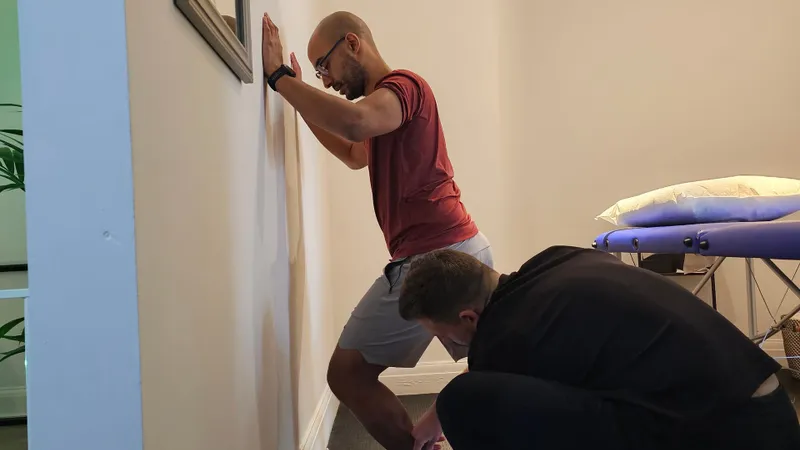
A detailed history, then a thorough examination of movement, strength and the affected area. You leave with a working diagnosis you understand and a plan agreed with you, not handed to you.
A clear diagnosis, hands-on treatment and progressive rehab from chartered physiotherapists who settle your back, neck, shoulder or joint pain, then rebuild the capacity that keeps it away, across our five London clinics.

We find what is driving the pain, ease it with hands-on treatment, and give you a clear plan so it settles rather than keeps coming back.
From a rolled ankle to a stubborn tendon, we diagnose it accurately and load it progressively so the tissue rebuilds the capacity your sport demands.
Graded rehab restores the strength, range and confidence you lost, with every exercise demonstrated so your technique stays right between visits.
We look at how you move, work and train, so we treat what is actually driving the problem rather than chasing the pain around your body.
We keep going until you have the strength and the tools to stay well on your own, with clear milestones so you know you are ready.

Your initial visit runs 45–60 minutes: a detailed history, then a thorough examination of movement, strength and the affected area. We explain what we find in plain English and agree a working diagnosis together.
Treatment starts the same day, and you leave with the first exercises of a plan built around your goal.
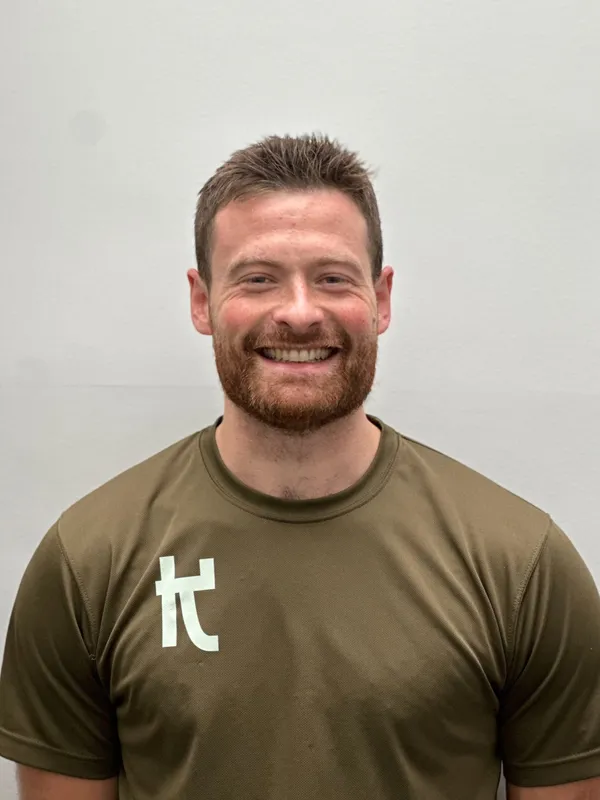
Founder & Chartered Physiotherapist, MSc, BSc
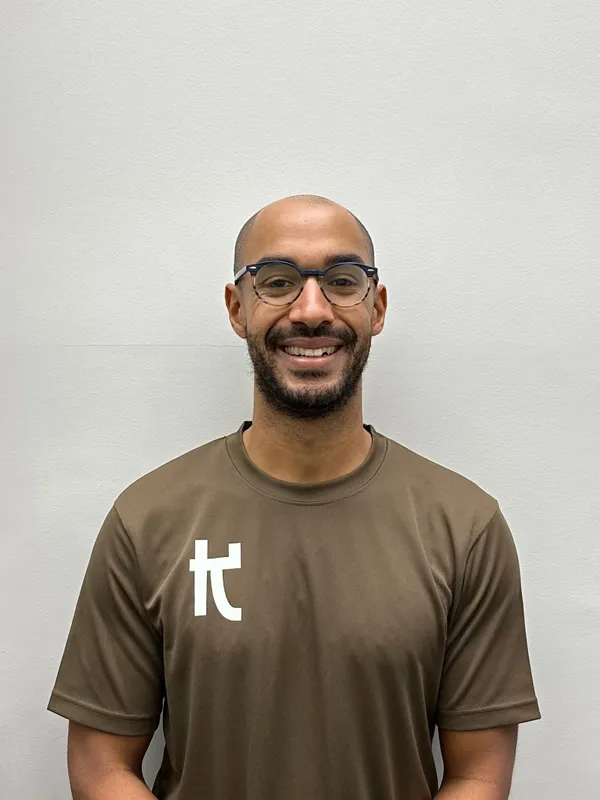
Co-Founder & Chartered Physiotherapist, MAACP, BSc

Musculoskeletal Physiotherapist
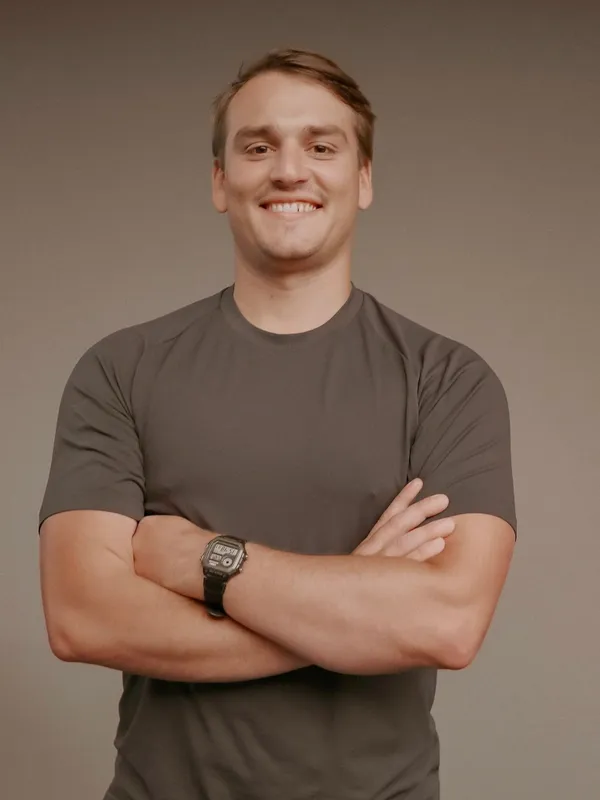
Musculoskeletal Physiotherapist

Musculoskeletal Physiotherapist

Musculoskeletal Physiotherapist
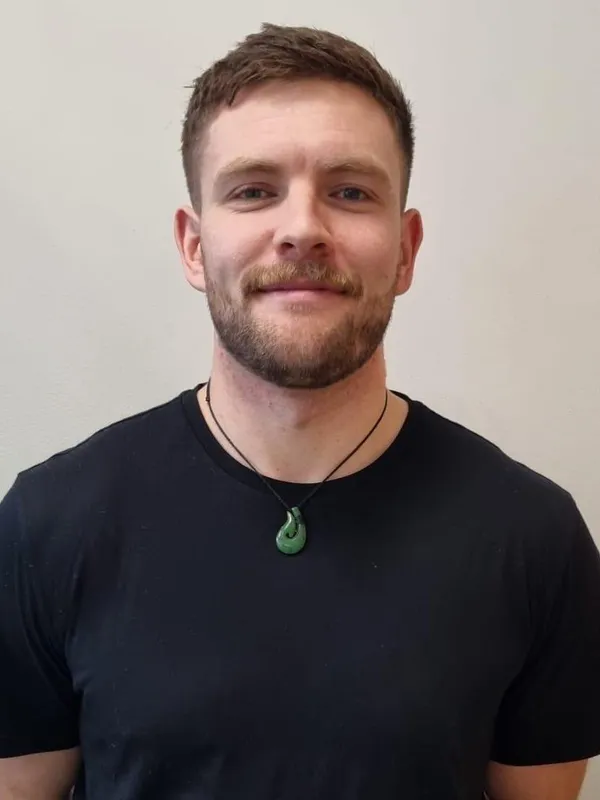
Paediatric Physiotherapist
David helped me when I started to have a strong tibia pain only 5 weeks before the marathon. I genuinely thought at some point that I wasn’t going to be able to do it and I did my PB!
Read on Google
After suffering with terrible back pain, Gus has helped me make huge improvements. Very professional and happy to explain the processes and treatments. Many thanks
Read on Google
Couldn’t recommend this physio team enough! They helped me recover from a knee injury 3 weeks before the London Marathon which I thought was going to prevent me from running it! Everyone was really friendly, supportive and genuinely cared about helping me reach my goal. Special thanks to Charlie, Gus, Brad and Stef!
Read on Google
I came to Dave with an ongoing injury that I’ve been struggling with for months! He helped sort it out straight away, also giving me some exercises to help target the area to get back to full strength. I’m now back to running pain-free already and training properly — I’ll definitely be recommending Kaizen Physiotherapy to my clients!
Read on Google
Gus worked miracles to get me running a marathon after being injured 6 weeks out. He worked out the issue really quickly and provided a clear and actionable plan to deal with it. The sports massages were the best I’ve ever had too — thanks Peggy! Can’t recommend Gus and Peggy enough.
Read on Google
I had such a positive experience working with Brad at Kaizen. He supported me through a meniscus tear and got me all the way back to running a half marathon and HYROX training. Everything was structured, progressive, and easy to follow, and I always felt like I was in safe hands.
Read on Google

Book online through Jane and self-refer, with no GP letter needed. If you are using private health insurance, check your policy first: some insurers ask for a GP referral before your first session.
Everything starts with a proper assessment. We find what is driving the problem, treat it, and build the strength that keeps it fixed, so you finish performing, not just pain-free.
A detailed history, then a thorough examination of movement, strength and the affected area. You leave with a working diagnosis you understand and a plan agreed with you, not handed to you.

Hands-on care to settle symptoms and restore movement: manual therapy, with acupuncture, shockwave or soft-tissue work where they genuinely help. The first home exercises go with you the same day.

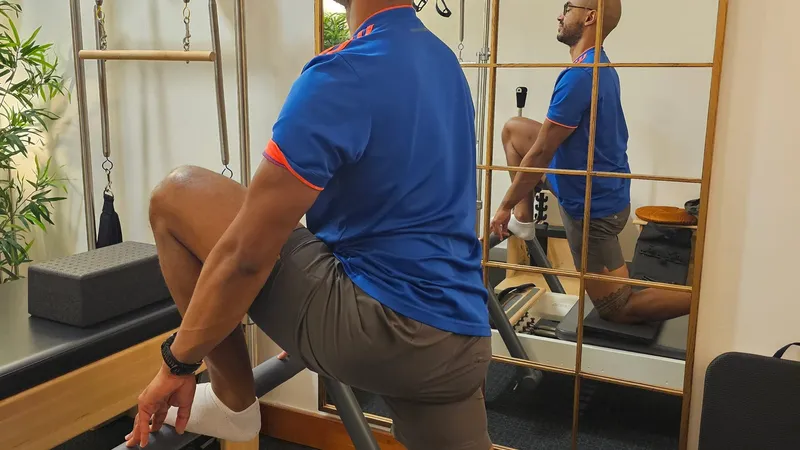
Progressive exercise that returns strength, control and load tolerance, from Reformer Pilates to strength and conditioning. Each follow-up reassesses against your baseline, so progress is measured rather than guessed.

Criteria-based milestones return you to work, sport and training. Discharge happens by mutual agreement once you can manage independently, with a Performance MOT available to catch the next weak link early.
Better than yesterday. Kaizen means continuous improvement: small, repeatable gains, built session by session, until you are back to what you love and no longer need us.


Written and medically reviewed byDavid Thomas, Founder & Chartered Physiotherapist · HCPC-registered · MSc · Chartered Society of Physiotherapy · Health and Care Professions Council (HCPC) and Chartered Society of Physiotherapy (CSP).
FAQ
No. UK physiotherapists are first-contact practitioners, so you can self-refer and book directly through our Jane online booking page. If you are claiming on private health insurance, your insurer may ask for a GP referral first, so check your policy. Self-funding patients never need a referral to see us.
It depends on your condition, but many acute problems settle within three to six sessions over several weeks, while long-standing or post-surgical cases may need more. We discuss a realistic plan at your first appointment and reassess every visit. We will not recommend sessions you do not need, and you can stop whenever you choose.
Wear loose, comfortable clothing that lets us assess and move the affected area: shorts for lower-limb problems, a vest top for neck or shoulder issues. We have private treatment rooms at every clinic. Bring any relevant scan or test results, insurer details if applicable, and a list of medications you currently take.
All our clinics sit inside fully equipped fitness spaces. Our flagship Soho clinic is at 111 Charing Cross Road, WC2H 0DT, a short walk from Tottenham Court Road station, with further clinics at Liverpool Street, Marylebone, Canary Wharf, and Wimbledon Village. The same clinical standards apply at every site, and you can book any location through our Jane online booking page.
Physiotherapy treats musculoskeletal problems: low back pain and sciatica, neck and shoulder pain, sports injuries, tendinopathy, and post-operative rehabilitation. NICE recommends it as a first-line option for many of these, including low back pain and sciatica. Treatment blends manual therapy, exercise rehabilitation, and education so you understand and manage your condition.
Get Started
Kaizen Physiotherapy & Performance • 111 Charing Cross Road, Soho, London WC2H 0DT
BookAppointments typically available within 1–2 weeks